THE STOMACH ACID/GERD GUIDE
Part of the Digestive Terrain Series

Disclaimer
The information provided by Andra Sitoianu is for educational purposes only and is not a substitute for individualized medical or naturopathic advice, diagnosis, or treatment. Reading this content does not create a doctor–patient or doctor–client relationship. Always consult a licensed healthcare professional before making changes to your diet, supplements, medications, or treatment plans.
GERD is probably one of the most misunderstood and dumbed down digestive issue affecting many today. It is estimate that 20-28% of the USA population experience GERD symptoms and it often results in chronic PPI prescription use which has many problematic side effects.
COMMON SYMPTOMS
• burning behind the sternum
• sour taste in the mouth
• chronic cough for more than a few week
• hoarseness, losing voice feeling
• lump sensation in throat
• nighttime reflux
• sinus or ear irritation
Silent reflux may occur without classic heartburn.
COMMON ROOT CAUSES IN NATUROPATHY
Low stomach acid
bloating after protein meals
fatigue after eating
slow digestion
constipation
Mechanism
Low hydrochloric acid → slow digestion → fermentation → gas pressure → reflux.
H. pylori Virulence
reflux with upper stomach discomfort
bloating
nausea
eczema on hands
burning pain (ulcers)
Mechanism
H. pylori produces ammonia → neutralizes stomach acid → impaired digestion.
Gallbladder / bile flow pattern
reflux after fatty meals
nausea
bitter taste in mouth
right rib discomfort
constantly burping
dry skin
Mechanism
Reduced bile flow → delayed gastric emptying → gastric pressure.
Nervous system / stress pattern
reflux during anxiety
shallow breathing
tight chest
hoarseness of voice
especially after the age of 35
Mechanism
Reduced vagal tone → decreased stomach acid and motility.
Microbial fermentation pattern
gas and bloating chronically
irregular stools
carbohydrate intolerance
fibre intolerance
often with autoimmunity diseases
Mechanism
Microbial fermentation → gas → gastric pressure.
Physical structural issues
Hiatal hernia may weaken the lower esophageal sphincter.
Physical approaches may include:
• chiropractic care
• craniosacral therapy
• diaphragmatic breathing
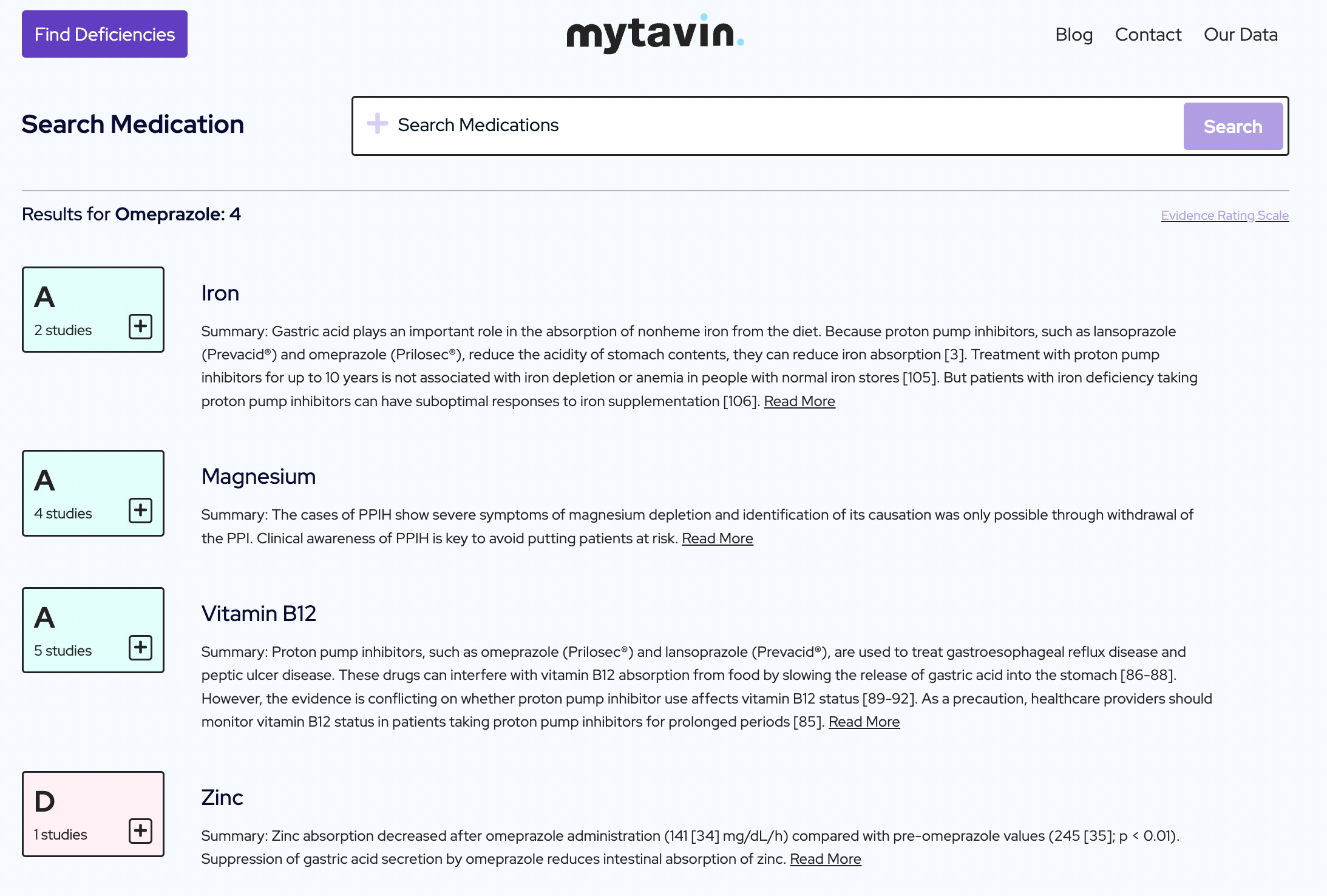
Long-Term Complications of Proton Pump Inhibitor (PPI) Use
When a doctor is prescribing a Proton pump inhibitor, his goal is to reduce stomach acid production by blocking hydrogen-potassium ATPase pumps in gastric parietal cells. While many can find short term relief, long term stomach acid reduction cal change several branches of the digestive physiology.
• Vitamin B12 deficiency
• Iron deficiency anemia
• Magnesium deficiency (hypomagnesemia)
• Reduced calcium absorption
• Increased fracture risk (hip, spine, wrist)
• Small intestinal bacterial overgrowth (SIBO)
• Increased risk of gastrointestinal infections
• Alterations in gut microbiome composition
• Reduced protein digestion
• Reduced gastric sterilization of food
• Increased risk of intestinal dysbiosis
• Elevated gastrin levels (hypergastrinemia)
• Increased risk of gastric polyps (fundic gland polyps)
• Possible chronic kidney disease association
• Possible association with dementia (observational evidence)
• Possible increased cardiovascular risk in some populations
• Reduced absorption of certain medications and nutrients
• Potential worsening of food sensitivities due to impaired digestion